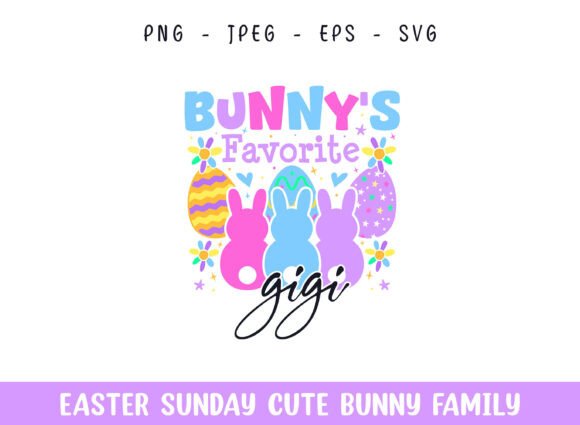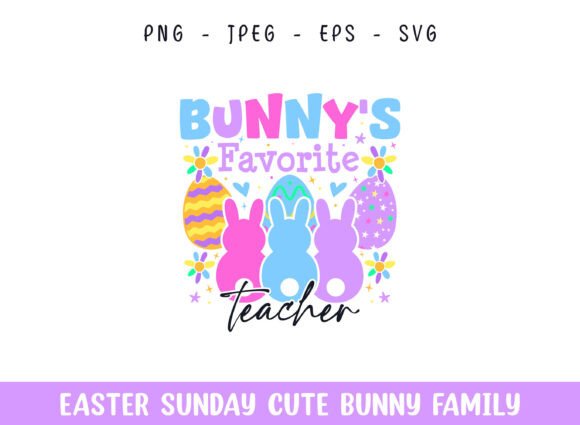
Bunny's Favorite Teacher Easter Sunday
As an embroidery designer and product reviewer, I’ve evaluated countless machine embroidery designs. Bunny’s Favorite Teacher Easter Sunday stands out for its charm and versatility, but it’s not a one-size-fits-all solution. Let me walk through how this design performs in real-world projects and what to consider before using it in your work.
The First Impression: A Sweet, Festive Mood
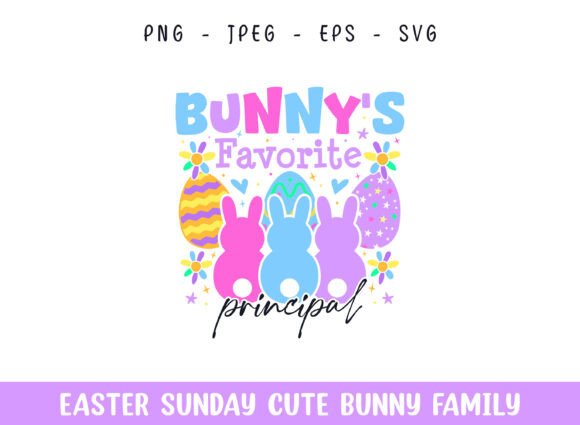
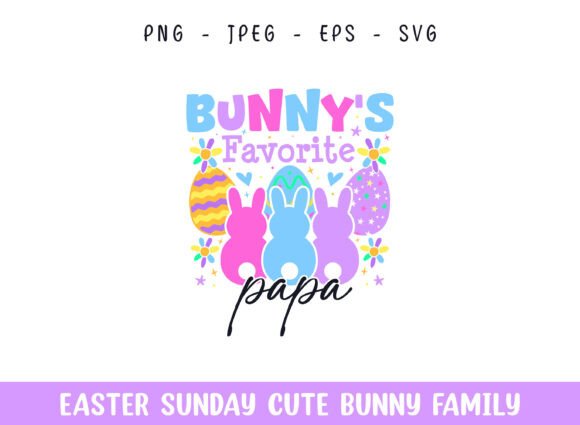
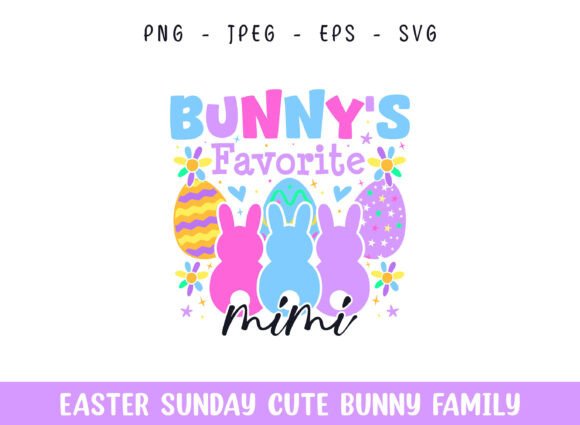
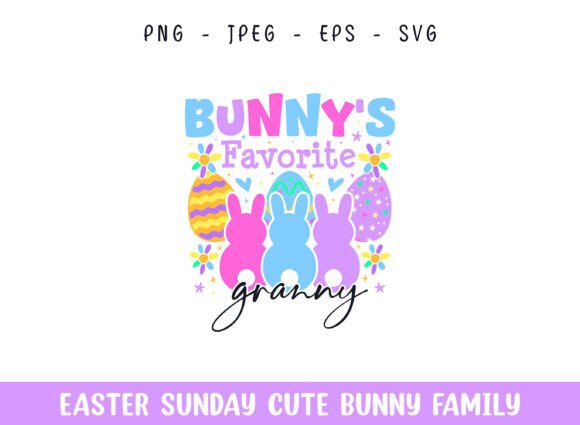
Bunny’s Favorite Teacher Easter Sunday immediately evokes a warm, celebratory feeling. The design features the phrase “Happy Easter Sunday” in a friendly, hand-drawn style with a bunny icon. The layout is clean, with a balance of text and imagery that feels approachable and inviting. It’s ideal for springtime projects, especially those aimed at children or teachers.
The visual personality leans toward simplicity, which makes it adaptable. However, the design’s size and detail level suggest it works best on larger surfaces—like tote bags, sweatshirts, or baby onesies—where the message can be clearly seen without overcrowding.
Real-World Embroidery Performance
When I tested Bunny’s Favorite Teacher Easter Sunday on a cotton tote bag, the design held up well. The satin stitch used for the text was smooth, and the bunny icon had enough detail to be recognizable without being too intricate. However, I noticed that the lettering could become slightly blurred on stretchy or thin fabrics if not stabilized properly.
This design is suitable for custom apparel, such as sweatshirt embroidery or tote bag design. It also works for baby embroidery, where the soft, playful aesthetic aligns with nursery decor or personalized gifts. For a more formal project, like a holiday gift or wedding accessory, the design might feel too casual unless paired with a more refined fabric or stitching technique.
As an applique design, it could be adapted for layered garments or patches, but the current file may require some adjustments for optimal results. If you plan to use it on curved surfaces like caps or hats, be mindful of the hoop size and how the design wraps around the shape.
Where to Use It Carefully
Bunny’s Favorite Teacher Easter Sunday isn’t ideal for all embroidery situations. On small hoop sizes, the design might feel cramped, especially if you’re trying to add extra details. Thin or textured fabrics could cause the stitches to look uneven, and dark fabrics might make the thread colors less visible unless you choose a contrasting hue.
Dense stitch areas, like the bunny’s ears or the background fill, could lead to puckering if not supported with the right stabilizer. Tiny lettering, such as the word “Easter,” may not hold up well on stretchy materials. If you're planning to use this on products that will be washed frequently, like kitchen towels or aprons, test the design first to ensure it maintains its integrity over time.
Impact on Visual Appeal and Customer Perception
When used correctly, Bunny’s Favorite Teacher Easter Sunday adds a personal touch to handmade products. Its friendly, nostalgic vibe can increase buyer engagement, especially for Etsy sellers or small shop products targeting parents, teachers, or craft enthusiasts.
However, the design’s simplicity may not appeal to all audiences. Some customers might find it too basic for high-end commercial embroidery or boutique branding. If you’re selling this as a digital embroidery file, make sure to highlight its suitability for specific projects, like baby items or holiday gifts, to set clear expectations.
For a finished product, the design contributes to brand consistency when used in a cohesive collection. It also enhances giftability, as the Easter theme is universally appreciated and easy to personalize.
Practical Designer Notes
Before finalizing any project with Bunny’s Favorite Teacher Easter Sunday, I recommend testing it on scrap fabric. This helps you assess stitch density, thread color contrast, and how the design interacts with different materials. If you’re changing the color, check how it looks on both light and dark backgrounds to ensure visibility and aesthetics.
Use proper stabilizer for delicate or stretchy fabrics, and confirm that the hoop size matches the design’s dimensions. Inspect small details, like the bunny’s eyes or the edges of the text, to ensure they remain sharp after stitching. For printable mockups or digital product previews, compare the design in black and white to see how it translates without color.
If you’re using this for commercial embroidery or selling finished items, double-check the licensing terms. Even though the product description mentions “possible and easy change color,” verify whether the design allows for resale or modification before using it in your craft business.
Best Fit for Specific Projects
Bunny’s Favorite Teacher Easter Sunday excels in projects that benefit from a friendly, customizable design. It’s perfect for embroidered patches, tote bag design, or sweatshirt embroidery where the message needs to be clear and eye-catching. For baby items, the design adds a sweet, personal touch that parents will appreciate.
It also works well for holiday embroidery, especially around Easter, and can be adapted for personalized gifts like mugs or pillows. As a digital embroidery file, it’s useful for printable mockups or as part of a broader design assets collection for creative entrepreneurs.
However, avoid using it in overly complex projects where the design might get lost or overwhelmed by other elements. Stick to straightforward applications where the message and imagery can shine.
Final Thoughts: A Versatile, Friendly Design
Bunny’s Favorite Teacher Easter Sunday is a solid choice for embroidery designers looking for a simple, festive design that can be adapted to multiple projects. Its clean layout and approachable style make it ideal for handmade products, personalized gifts, and small business merchandise.
While it has limitations in certain scenarios, it offers great value when used appropriately. Whether you’re an Etsy seller, a craft fair vendor, or a home decorator, this design can add a touch of warmth and celebration to your work—if you take the time to test it and understand its strengths and weaknesses.