Coffee Cup Line Art Review
As a designer and embroidery product reviewer, I often find myself evaluating digital designs for their practicality, visual appeal, and suitability for real-world use. Coffee Cup Line Art caught my attention as a simple yet versatile design that could work across multiple projects. Let’s break down how it performs in actual embroidery situations and what to consider before using it.
The First Impression
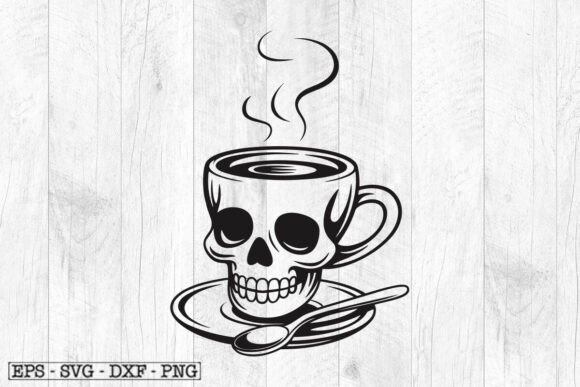
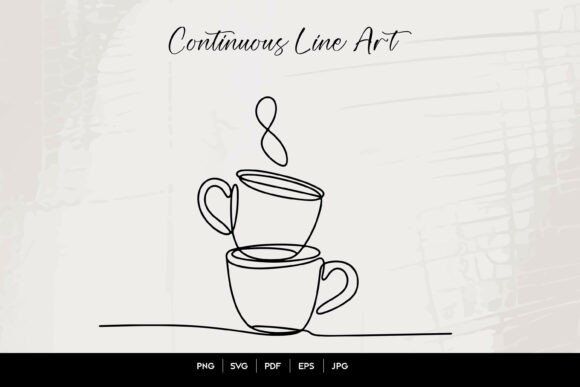
Coffee Cup Line Art immediately evokes a sense of simplicity and warmth. The minimalist approach makes it feel modern and timeless, perfect for coffee lovers or anyone looking to add a touch of casual elegance to their work. The continuous line style gives it a clean, hand-drawn quality that feels personal and authentic.
The layout is straightforward—centered around one or two stacked cups with minimal embellishment. This makes it ideal for embroidery projects that require clarity and focus, such as custom apparel, tote bags, or baby items. It doesn’t overwhelm the eye, which is a big plus when working on small or detailed pieces.
Real-Life Embroidery Scenarios
Imagine you're creating a custom embroidered tote bag for a local café. Coffee Cup Line Art would fit perfectly as the main design. It’s easy to stitch, doesn’t require complex color changes, and can be adapted to different sizes without losing its character. Whether you’re using a basic home machine or a commercial embroidery system, this design should translate well.
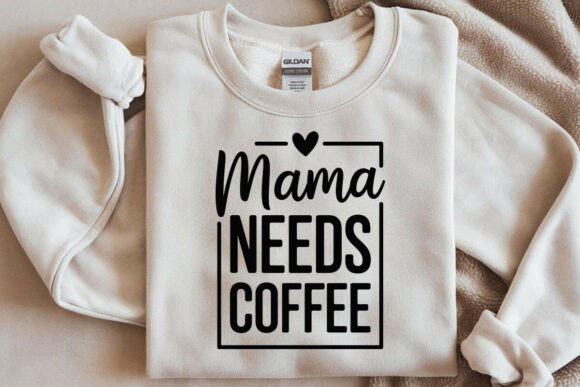
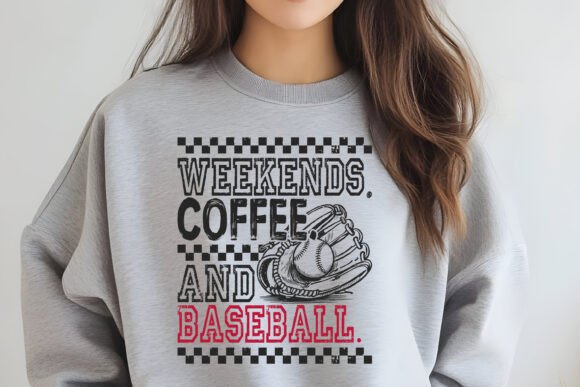
For a sweatshirt or t-shirt, the design works best as a single-color embroidery. It’s not overly detailed, so it won’t get lost in fabric texture. On a baby onesie, it could serve as a subtle, safe design that parents will appreciate. The lack of intricate details also means it’s less likely to snag or wear out quickly.
When used as an embroidered patch, Coffee Cup Line Art stands out without being too busy. It’s great for adding a personalized touch to jackets, backpacks, or even pet accessories. The design’s simplicity also makes it ideal for printable mockups or digital product previews, where clarity is key.
Where to Use With Caution
While Coffee Cup Line Art is generally versatile, there are some situations where it might not perform as well. If you're working with small hoop sizes, the design might need to be resized or split into sections to fit properly. On textured fabrics, the lines could become less defined, especially if the fabric has a lot of nap or weave.
Thin or stretchy fabrics may cause the design to shift during stitching, leading to distortion. Dark fabrics can also be a challenge if the thread color isn’t a strong contrast. For example, a light-colored thread on a black background might not show up as clearly as expected.
If you're planning to use the design on curved surfaces like caps or hoods, be mindful of how the lines wrap around the shape. The continuous line style might look awkward if not positioned correctly. Similarly, if the design includes tiny details or corners, they could become difficult to stitch accurately on a machine.
Impact on Visual Appeal and Product Value
Coffee Cup Line Art adds a professional touch to any project without requiring excessive time or resources. Its clean lines and minimalism make it highly recognizable, which is great for branding or marketing. Customers often respond positively to designs that feel handmade and thoughtful, and this one definitely fits that mold.
When used in a handmade product or personalized gift, it elevates the overall presentation. It’s also a good choice for commercial embroidery projects, as it’s easy to reproduce and maintain consistency across multiple items. For Etsy sellers or small shop owners, this design could be a reliable addition to their product lineup.
From a buyer’s perspective, the design feels trustworthy and well-crafted. It doesn’t have the complexity that might scare off less experienced embroiderers, but it still offers enough detail to feel meaningful. This balance makes it a solid choice for both personal and commercial use.
Embroidery Designer Notes
Before finalizing any project with Coffee Cup Line Art, I recommend testing it on scrap fabric. This helps you see how the lines translate in real life and whether the design needs adjustments. Check the thread color contrast against your chosen fabric to ensure visibility and durability.
Review the stitch density to make sure it’s appropriate for the fabric type. Some machines may require additional stabilizer for delicate or stretchy materials. If you're using the design for a commercial project, confirm that the licensing allows for resale or redistribution of the finished product.
Finally, don’t forget to test the design in black and white mockups. This helps you see how it looks on different backgrounds and ensures it remains effective in various applications. Whether you're creating a tote bag design, a sweatshirt embroidery, or a holiday gift, Coffee Cup Line Art is a reliable choice when used thoughtfully.